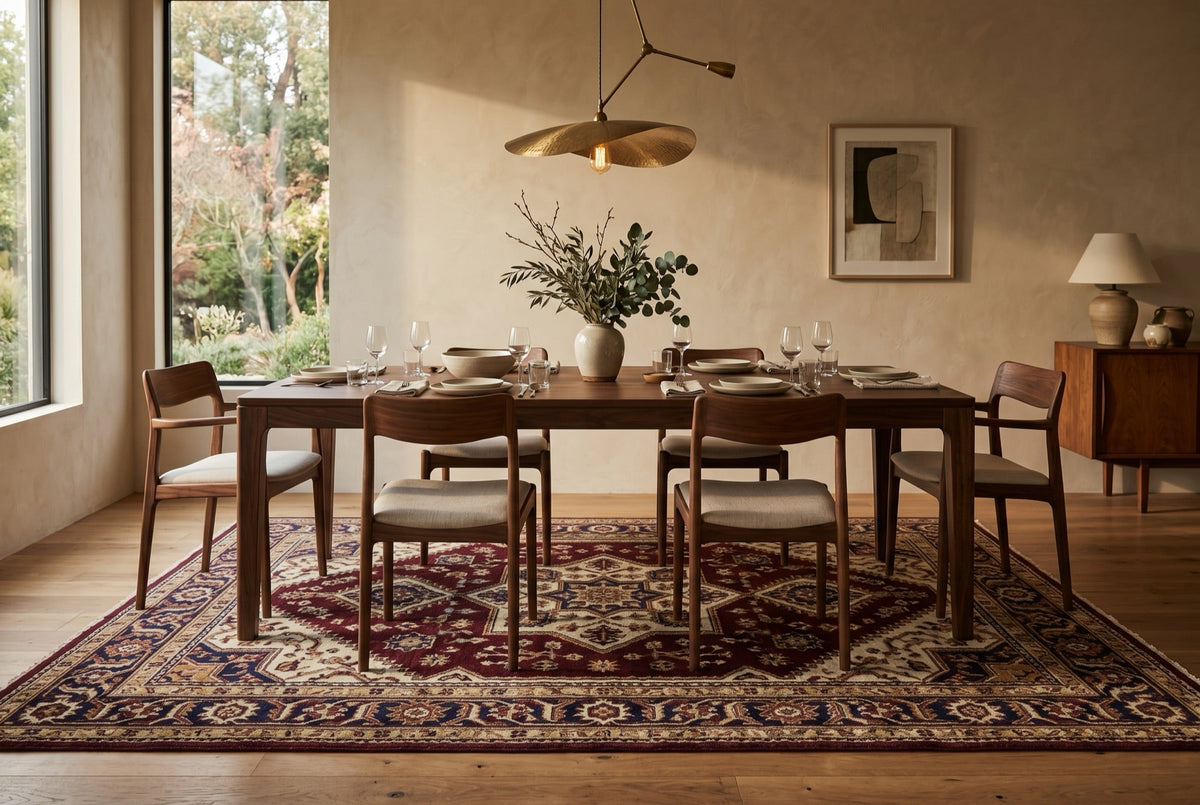
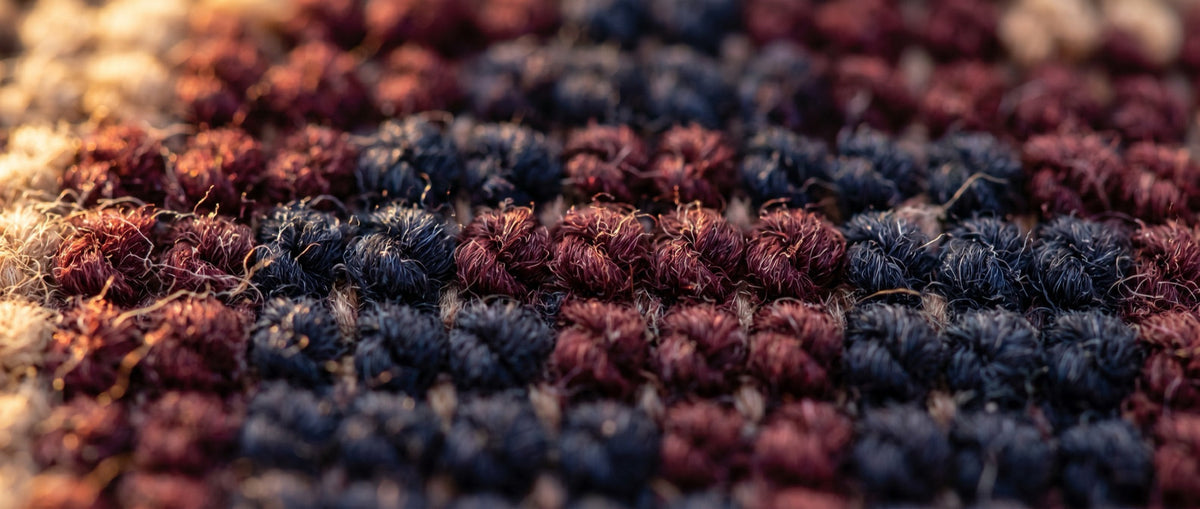
Textured rugs introduce dimensional depth and tactile richness that flat-surface textiles cannot achieve, transforming floors into sensory experiences that engage touch as much as vision. Texture in handwoven rugs derives from multiple sources: pile height variations that create relief patterns, mixed weaving techniques combining knotted and flatweave construction, carved or sculpted surfaces that emphasize design elements through dimensional contrast, and inherent material characteristics—the crimp of hand-spun wool, the luster of silk, the rustic quality of natural fibers. Strategic texture selection affects both aesthetic impact and functional performance, with high-pile rugs offering maximum softness but complicating maintenance, low-pile and carved textures providing visual interest with practical durability, and mixed-technique textiles delivering design complexity suited to contemporary interiors. For designers and homeowners seeking to elevate spaces beyond color and pattern alone, understanding texture options, production methods, and appropriate applications ensures selections that engage multiple senses while meeting practical living requirements.
Pile Height Variations: Low, Medium & High-Pile Characteristics
Low-pile rugs (under 0.5 inches) offer subtle texture with maximum practicality, suited to high-traffic areas, under dining tables, and spaces requiring easy furniture movement. The short pile reveals pattern clarity and color definition while providing enough cushioning to distinguish the textile from hard floors. Traditional Persian city carpets, fine Turkish workshop rugs, and quality contemporary hand-knotted pieces typically feature low to medium pile that balances comfort with durability and ease of maintenance. Low-pile construction shows less traffic patterning and recovers quickly from furniture impressions.
Medium-pile rugs (0.5-0.75 inches) represent the optimal balance for most residential applications, offering substantial comfort underfoot while maintaining practical performance. This pile height provides acoustic dampening, thermal insulation, and the tactile luxury expected in refined interiors without the maintenance challenges of deeper pile. Most handwoven wool rugs fall within this range, reflecting traditional production standards developed over centuries of residential use.
High-pile and shag rugs (1+ inches) maximize softness and visual texture but require consideration of practical limitations. Deep pile complicates vacuuming, shows traffic patterns and furniture impressions, and impedes furniture placement—chair and table legs sink into pile rather than resting stably. High-pile rugs suit low-traffic areas like bedrooms and sitting rooms where comfort outweighs practical concerns, or serve as accent pieces in contemporary interiors valuing bold textural statements.
Carved & Sculpted Rugs: Dimensional Relief Patterns
Carved rugs employ post-weaving techniques that trim pile to varying heights, creating dimensional relief that emphasizes design elements through shadow and depth. Artisans hand-carve around pattern outlines—medallion edges, floral motifs, border elements—leaving these features at full pile height while recessing background areas. The resulting texture adds visual drama and tactile interest impossible to achieve through color and pattern alone, transforming two-dimensional designs into sculptural surfaces.
Chinese and Tibetan rug traditions pioneered carving techniques, developing the distinctive relief aesthetic now associated with Asian textile production. Contemporary carved rugs continue this tradition, with skilled artisans using electric shears to create precise depth variations that enhance design impact. The technique works particularly effectively with tonal or monochromatic color schemes, where texture provides visual interest that bold color contrasts would otherwise supply.
Carved texture affects maintenance and durability: recessed areas accumulate less foot traffic and soil than raised elements, potentially extending textile life in high-use applications. However, carving reduces overall pile density, which may compromise durability compared to uniformly knotted construction. Quality carved rugs maintain sufficient pile depth in recessed areas to ensure structural integrity and prevent foundation exposure.
Mixed-Technique Textiles: Combining Pile & Flatweave
Mixed-technique rugs combine pile-knotted and flatweave construction within single textiles, creating textural contrast that defines design elements and adds dimensional interest. Common approaches include flatweave borders surrounding pile-knotted fields, alternating bands of pile and flatweave creating striped compositions, or flatweave backgrounds with pile-knotted motifs creating appliqué-like effects. These textiles showcase weaver virtuosity—the ability to execute multiple techniques within continuous production—and offer design flexibility unavailable through single-technique construction.
Scandinavian rya rugs exemplify mixed-technique aesthetics, featuring long pile tufts knotted into flatweave foundations to create shaggy, textured surfaces with visible backing. Turkish and Persian traditions occasionally employ mixed techniques for decorative emphasis, though most classical production maintains consistent construction throughout. Contemporary designers increasingly specify mixed-technique textiles for their visual complexity and ability to bridge traditional and modern aesthetics.
Loop Pile & Cut-Loop Combinations
Loop pile construction leaves yarn loops intact rather than cutting them to create individual tufts, producing textured surfaces with distinctive visual and tactile character. Berber-style rugs feature loop pile in natural wool tones, creating casual, durable textiles suited to high-traffic residential and commercial applications. The uncut loops resist crushing and show less traffic patterning than cut pile, making loop construction practical for family living areas and informal spaces.
Cut-and-loop combinations employ both techniques within single textiles, creating pattern through textural contrast rather than color variation. This approach produces subtle, sophisticated surfaces suited to monochromatic or tonal color schemes where texture provides visual interest. Contemporary machine-made carpets frequently use cut-and-loop patterning, though handwoven examples remain rare due to labor intensity and technical complexity.
Material Texture: Wool, Silk & Natural Fiber Characteristics
Wool texture varies significantly based on sheep breed, fiber processing, and spinning methods. Hand-spun wool retains natural crimp and irregularity that creates visual depth and tactile interest, while machine-spun wool produces smoother, more uniform surfaces. Highland wool from sheep in harsh climates develops coarser fibers with pronounced texture, while lowland breeds produce softer, finer wool with subtler tactile quality. The finest wool—Kork wool from sheep shoulders—combines softness with resilience, creating luxurious texture without sacrificing durability.
Silk introduces luminous texture through fiber structure that reflects light directionally, creating surfaces that appear to shift color and depth with viewing angle and illumination. Silk pile rugs display exceptional smoothness and visual shimmer, though the fiber lacks wool's resilience and natural soil resistance. Silk accents within wool rugs create textural highlights that emphasize specific design elements—medallion centers, floral details, border motifs—adding luxury and visual complexity.
Natural plant fibers—jute, sisal, seagrass—provide coarse, rustic texture suited to casual interiors and coastal aesthetics. These materials create durable, low-maintenance textiles with pronounced tactile character, though their rough surface and moisture sensitivity limit applications compared to wool. Contemporary natural fiber rugs often combine materials—jute warps with wool pile, sisal flatweave with cotton accents—to balance texture, durability, and comfort.
Abrash: Natural Color Texture Through Dye Variation
Abrash—the subtle color variation within dye lots characteristic of natural dye processes—creates visual texture through tonal shifts rather than physical relief. Hand-spun wool absorbs vegetable dyes unevenly, producing color gradations that add depth and prevent the flat, uniform appearance of synthetic dyes. Abrash appears as horizontal bands of slightly varying color intensity, reflecting the batch dyeing process where wool is dyed in quantities sufficient for several days' weaving before new batches are prepared.
Collectors and designers prize abrash as an authenticity marker and aesthetic enhancement—the color variation adds visual interest and creates the aged, mellowed appearance associated with antique textiles even in new production. Contemporary weavers sometimes intentionally create abrash effects by using multiple dye lots, recognizing that perfect color uniformity appears artificial and lacks the depth that natural variation provides.
Distressed & Overdyed Textures: Contemporary Surface Treatments
Distressed rugs undergo post-production treatments—washing, shearing, sun exposure—that artificially age new textiles, creating the soft colors and worn texture of antique pieces. These processes mellow bright dyes, reduce pile height slightly, and soften wool texture, producing rugs that integrate immediately into interiors without the visual impact of obviously new textiles. Quality distressing respects rug integrity, creating authentic aged appearance without compromising structural soundness.
Overdyed rugs receive additional dye applications that saturate original colors with bold, contemporary hues—jewel tones, saturated monochromes, or unexpected color combinations. The overdye process creates textured color effects where original patterns remain subtly visible beneath new color layers, producing complex surfaces that bridge traditional construction and contemporary aesthetics. Overdying revitalizes vintage rugs with faded or damaged colors, extending textile life while creating unique design statements.
Texture in Interior Design: Functional & Aesthetic Considerations
Texture selection affects spatial perception and sensory experience as significantly as color and pattern. High-texture rugs—deep pile, carved relief, mixed techniques—add visual weight and tactile emphasis, making spaces feel more intimate and grounded. Low-texture options maintain visual lightness and spatial openness, suited to minimalist interiors or small rooms where textural boldness might overwhelm. Layering textures—flatweave Kilims over low-pile rugs, sheepskins on carved textiles—creates dimensional complexity and seasonal adaptability.
Acoustic and thermal properties correlate with texture: deeper pile provides greater sound absorption and insulation, while flatweave and low-pile options offer minimal acoustic dampening. In open-plan spaces with hard surfaces, textured rugs serve functional roles beyond aesthetics, reducing echo and adding warmth that improves comfort and livability.
Explore our textured rug collection, featuring pile variations, carved designs, and mixed-technique textiles. Our design consultation services provide guidance on texture selection for specific rooms and applications. Learn about the traditional techniques that create dimensional depth and tactile richness.
Discover textured rugs that engage multiple senses and add dimensional depth to refined interiors. Each piece is crafted using traditional techniques that create tactile richness, visual complexity, and the sensory luxury that elevates contemporary living spaces.