Transform Your Living Space with Statement Rugs and Carpets
Rugs and carpets are more than flooring solutions—they are transformative accent pieces that define spatial character, anchor furniture groupings, and introduce texture, color, and cultural narrative into refined interiors. Whether you're drawn to handmade rugs with artisan provenance, modern rugs with architectural clarity, vintage rugs with aged patina, wool rugs with natural resilience, jute rugs with organic texture, or luxury area rugs that elevate your flooring aesthetic, a single well-chosen piece can transform an entire room from functional to exceptional. This guide explores ten rug and carpet accent strategies that bring heirloom craftsmanship and design sophistication to contemporary living spaces.
1. Oversized Luxury Area Rugs as Architectural Flooring Foundations
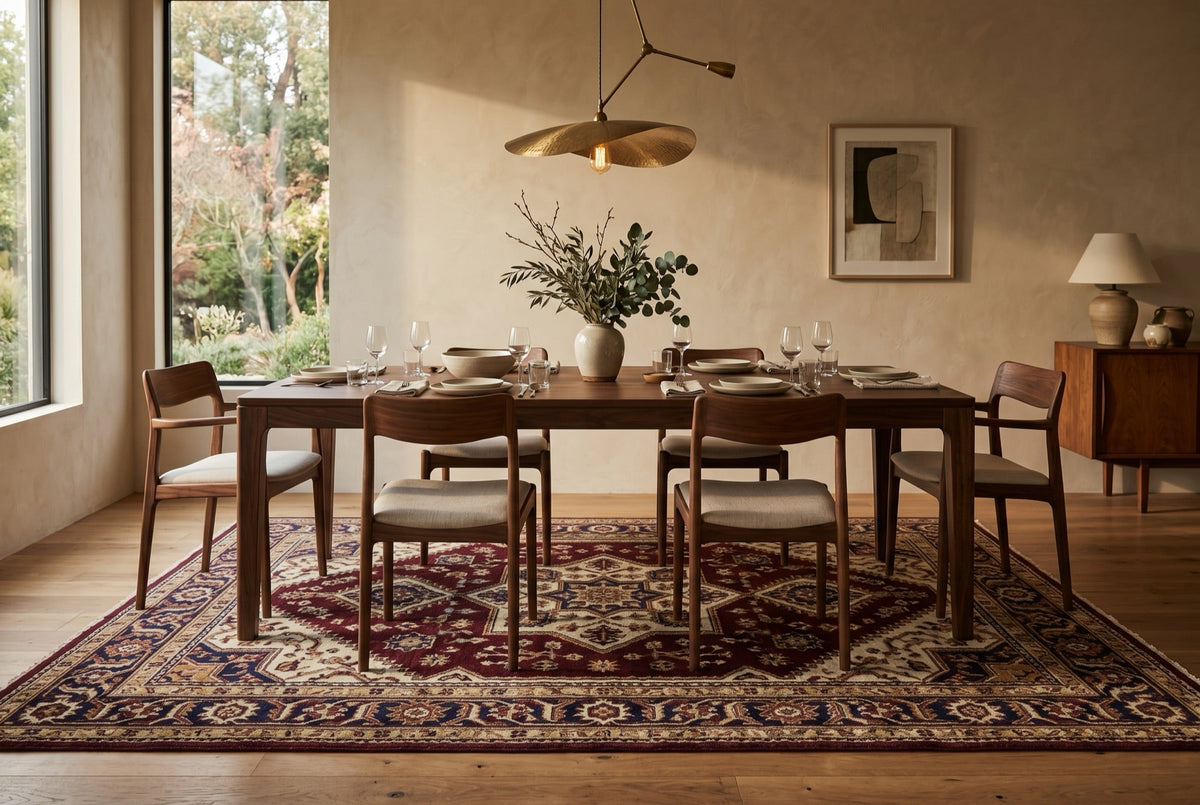
Large-scale luxury area rugs (10'×14' or larger) function as spatial architecture, creating visual cohesion in open-plan living areas. An oversized traditional rug or carpet with intricate carpet patterns—Oushak or Mamluk—grounds seating arrangements while allowing generous floor visibility (18-24 inches minimum) to maintain breathing room and emphasize the rug as an intentional flooring design element rather than wall-to-wall carpeting.
Best for: Open-concept living rooms, loft spaces, and minimalist interiors where scale creates impact.
2. Vintage Kilim Runners for Hallway Flooring Drama
Antique vintage rugs in Kilim flatweave construction introduce bold carpet patterns and tribal symbolism to transitional spaces. These handmade rugs suit high-traffic corridors as an alternative to traditional carpeting, while their graphic patterns create visual momentum that elongates narrow hallways. Position runners with equal margins on each side to maintain balance and architectural proportion.
Best for: Hallways, entryways, and galley kitchens requiring durable, low-profile flooring textiles.
3. Layered Contemporary Rugs for Textural Flooring Depth
Layering a smaller contemporary rug over a larger neutral area rug or jute rug creates dimensional interest and allows seasonal updates without replacing primary pieces. Pair a high-pile modern rug or shag carpet over a flatweave jute rug base, or position a silk-blend accent rug atop a wool rug foundation for material contrast that prevents modern spaces from feeling sterile. This layering technique is popular in rug decor trends.
Best for: Living rooms, bedrooms, and spaces requiring visual complexity without pattern overload.
4. Hand-Knotted Traditional Wool Rugs as Living Room Focal Points
A hand-knotted traditional wool rug or wool carpet—Persian Tabriz, Isfahan, or Kashan—commands attention through intricate hand-knotting (300+ KPSI), natural dye depth, and centuries-old carpet patterns. These handmade rugs establish a unified conversation area when positioned so all furniture legs rest on them, centering the room's visual hierarchy around artisan craftsmanship and superior flooring quality.
Best for: Formal living rooms, libraries, and spaces where the carpet or rug serves as the primary design anchor.
5. Monochromatic Modern Rugs for Gallery-Like Flooring Restraint
Tonal modern rugs in cream, charcoal, or warm gray create sophisticated, gallery-like interiors that emphasize form over pattern. Select contemporary rugs or nylon carpet alternatives with subtle texture variation—carved pile, mixed weaves, or abrash (intentional color variation)—to add depth without visual noise. This flooring approach allows furniture, art, and architectural features to command attention and reflects current rug decor aesthetics.
Best for: Minimalist interiors, contemporary spaces, and rooms with bold artwork or statement furniture.
6. Geometric Contemporary Rugs for Architectural Flooring Contrast
Contemporary rugs featuring linear grids, asymmetric compositions, or abstract carpet patterns introduce dynamic tension when paired with organic furniture forms. Balance rectilinear sofas with modern rugs or area rugs displaying curved motifs, or anchor mid-century modern pieces with grid-based carpet designs that echo architectural precision in your flooring scheme.
Best for: Mid-century modern, Scandinavian, and contemporary interiors requiring visual balance.
7. Luxury Area Rugs as Bedroom Flooring Elements
Position a large luxury area rug or wool rug (8'×10' or 9'×12') so it extends 18-24 inches beyond the bed on three sides (foot and both sides), with the headboard on the floor. This frames the bed as the room's focal point while providing warmth underfoot as an alternative to wall-to-wall carpeting. Alternatively, place matching handmade rug runners along each side for a layered, gallery-quality flooring aesthetic in narrower rooms—a popular rug decor strategy.
Best for: Master bedrooms, guest rooms, and spaces prioritizing comfort and visual symmetry.
8. Silk-Blend Luxury Area Rugs for Luster and Flooring Detail
Silk introduces luminosity and fine detail that shifts with light and viewing angle. Use silk-blend luxury area rugs or carpets (wool-silk or cotton-silk) in low-traffic areas—formal living rooms, bedrooms, or beneath coffee tables—where their delicate sheen enhances carpet patterns without risk of wear. These handmade rugs create visual contrast within more complex flooring and rug decor schemes.
Best for: Low-traffic areas, formal spaces, and interiors requiring material sophistication.
9. Vintage Tribal Rugs for Cultural Flooring Narrative
Vintage rugs from tribal traditions—Caucasian, Baluch, or Anatolian—carry symbolic carpet patterns, natural dyes, and weaving traditions passed through generations. These handmade rugs and carpets with bold patterns and saturated colors introduce cultural depth and visual energy to neutral interiors. Position vintage rugs as flooring focal points in living rooms or studies where their narrative richness can be appreciated.
Best for: Eclectic interiors, bohemian spaces, and rooms requiring cultural authenticity and visual warmth.
10. Natural Jute Rugs for Casual Flooring Elegance
Natural jute rugs offer organic texture, eco-friendly materials, and simplified geometry with a lightweight construction ideal for casual spaces. These sustainable rugs with low profile suit dining rooms (preventing chair legs from catching), sunrooms, and covered outdoor areas as an alternative to permanent carpeting. Jute rugs provide versatility and ease without sacrificing natural beauty, making them popular in modern rug decor.
Best for: Dining rooms, sunrooms, casual living areas, and spaces requiring easy maintenance and sustainable flooring.
Selecting Accent Rugs and Carpets: Key Considerations
Scale and Proportion in Flooring Design
Whether choosing modern rugs, traditional rugs, contemporary rugs, area rugs, wool rugs, jute rugs, or carpet alternatives, scale matters for effective flooring design. In living rooms, ensure the front legs of sofas and chairs rest on the rug or carpet; in dining rooms, add 48 inches (24 inches per side) to table dimensions to accommodate chair movement. When uncertain, opt for larger luxury area rugs—undersized rugs appear as afterthoughts rather than intentional flooring design elements.
Material Integrity: Wool Rug vs. Jute Rug vs. Nylon Carpet
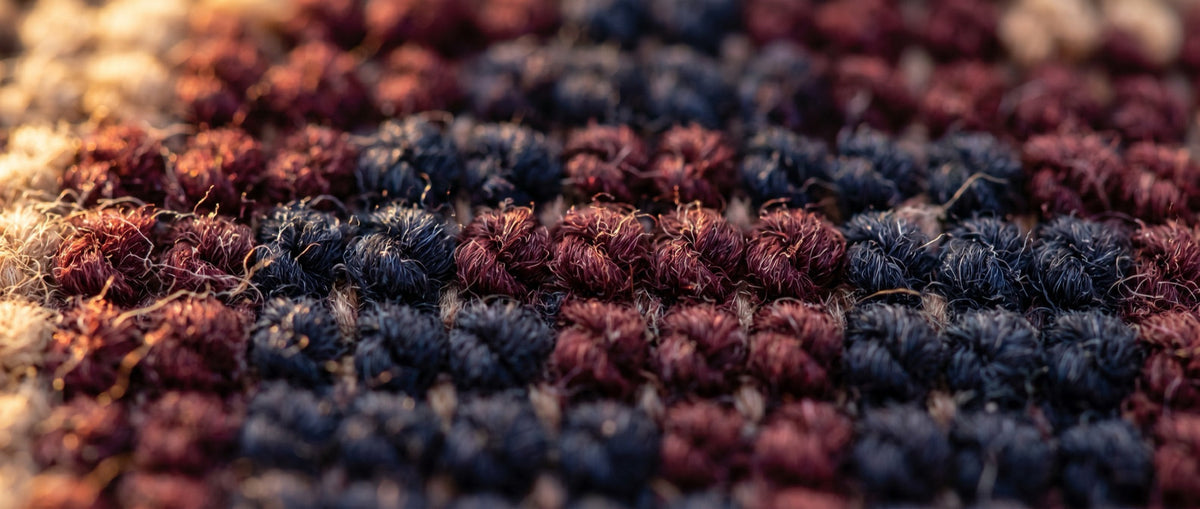
Handmade rugs crafted from hand-spun wool rug fibers, silk, and cotton age gracefully, developing patina and character over decades. Natural wool rugs offer superior resilience, stain resistance, and tactile quality compared to nylon carpet or synthetic carpeting alternatives. Jute rugs provide eco-friendly, sustainable flooring with organic texture. Prioritize materials that align with room function: wool rugs for high-traffic areas, silk-blends for protected spaces, jute rugs for casual areas, and shag carpet textures for cozy bedrooms.
Carpet Patterns and Rug Decor Harmony
Consider existing materials—wood, stone, metal, upholstery—when selecting rug or carpet patterns for your flooring scheme. Modern rugs in neutral palettes create longevity and adaptability, while vintage rugs with saturated carpet patterns energize minimalist spaces. Natural dyes in traditional rugs and wool carpets mellow beautifully with time, adding depth rather than fading. Current rug decor trends favor layered textures and mixed materials.
Care and Longevity for Rugs and Carpets
Proper maintenance preserves both beauty and structure in handmade rugs, modern rugs, traditional rugs, vintage rugs, wool rugs, jute rugs, wool carpets, and area rugs alike:
- Vacuum weekly using suction only (no beater bars) to remove surface dirt before it embeds in carpet or rug fibers
- Rotate rugs and carpets 180° annually to ensure even wear and sun exposure
- Use high-quality rug pads to prevent slipping and reduce wear from friction on flooring
- Blot spills immediately with clean, white cloths (never rub) on rugs or carpets
- Schedule professional cleaning every 3-5 years by specialists experienced with handwoven textiles, wool rug care, and jute rug maintenance
- Avoid direct sunlight exposure; use UV-filtering window treatments in bright rooms to protect your rugs
Rugs vs. Carpeting: Making the Right Flooring Choice
When deciding between area rugs and wall-to-wall carpeting for your flooring needs, consider these factors:
Area Rugs offer: Flexibility to change designs and carpet patterns, easier cleaning and maintenance, portability when moving, and the ability to showcase handmade craftsmanship. Wool rugs and jute rugs provide natural, sustainable options.
Carpeting provides: Wall-to-wall coverage, sound insulation, and a unified look. However, nylon carpet and synthetic carpeting lack the artisan quality and design flexibility of handmade rugs, wool rugs, and wool carpets.
For luxury interiors prioritizing both aesthetics and value, area rugs—particularly handmade rugs, wool rugs, jute rugs, and vintage rugs—offer superior flooring solutions compared to standard carpeting.
Finding the Perfect Rug: Your Trusted Rug Store
When searching for hand-knotted rugs, wool rugs, jute rugs, or luxury area rugs, selecting the right rug store matters. A reputable rug store should offer:
- Documented provenance and authenticity verification for handmade rugs and vintage rugs
- Expert guidance on carpet patterns, materials (wool rugs vs. jute rugs vs. silk), and sizing
- Curated collections featuring traditional rugs, modern rugs, and contemporary rugs
- Transparent information about construction methods, natural dyes, and artisan partnerships
- Professional advice on rug decor integration and flooring design
- Care instructions and maintenance support for wool rugs, jute rugs, and specialty textiles
A quality rug store prioritizes craftsmanship over mass production.
Conclusion
Accent rugs and carpets—whether handmade rugs with artisan provenance, modern rugs with architectural clarity, contemporary rugs with abstract geometry, vintage rugs with cultural narrative, traditional rugs with centuries-old carpet patterns, luxury area rugs with heirloom quality, wool rugs with natural resilience, jute rugs with sustainable texture, wool carpets with superior durability, or shag carpet textures for cozy comfort—transform living spaces through superior flooring design, material integrity, and design sophistication.
Whether anchoring a seating arrangement with an oversized traditional rug, introducing tribal carpet patterns through a vintage rug runner, layering contemporary rugs and jute rugs for dimensional depth, or choosing wool rugs over nylon carpet for durability, each flooring selection shapes spatial character and emotional tone. By prioritizing craftsmanship, scale, and material quality in your handmade rug and carpet selection, you create interiors that reflect both aesthetic clarity and enduring value—spaces where artisan textiles function as quiet architecture, grounding daily life in beauty and intention.
Explore our curated rug store collection of handwoven rugs and carpets selected for documented provenance, natural fiber integrity, and artisan craftsmanship that withstands both aesthetic and technical scrutiny. Discover flooring solutions featuring wool rugs, jute rugs, vintage rugs, and contemporary carpet patterns that elevate your space beyond standard carpeting. Our rug decor expertise ensures you find the perfect piece for your refined interior.