Choosing the right rugs for your home can feel like an overwhelming task, but it doesn't have to be! With a bit of guidance, you can find the perfect rug that complements every room in your house. Let's dive into the essentials of rug shopping and help you turn your living space into a cozy haven.
Consider Your Space
Before you start shopping, think about the size of the room and the furniture layout. A large rug can anchor a seating arrangement, while smaller rugs are perfect for defining spaces in open floor plans. Measure your area, and don't forget to account for furniture; a good rule of thumb is to leave about 18 inches of floor space around the edges of the rug.
Room-Specific Sizing & Placement Guidelines
Living Room Rug Sizing
In living rooms, your rug should anchor the seating arrangement while defining the conversation area. Follow these professional guidelines:
- All furniture on the rug: For spacious rooms, choose a rug large enough (9'×12' or larger) to accommodate all furniture pieces with at least 6-12 inches of rug extending beyond the front legs of sofas and chairs.
- Front legs only: In medium-sized spaces, position the rug so that only the front legs of seating furniture rest on it, creating visual cohesion while maintaining floor visibility.
- Floating arrangement: For smaller living rooms, place a 5'×8' or 6'×9' rug in the center with all furniture positioned around it, leaving 18-24 inches between the rug edge and walls.
Dining Room Rug Specifications
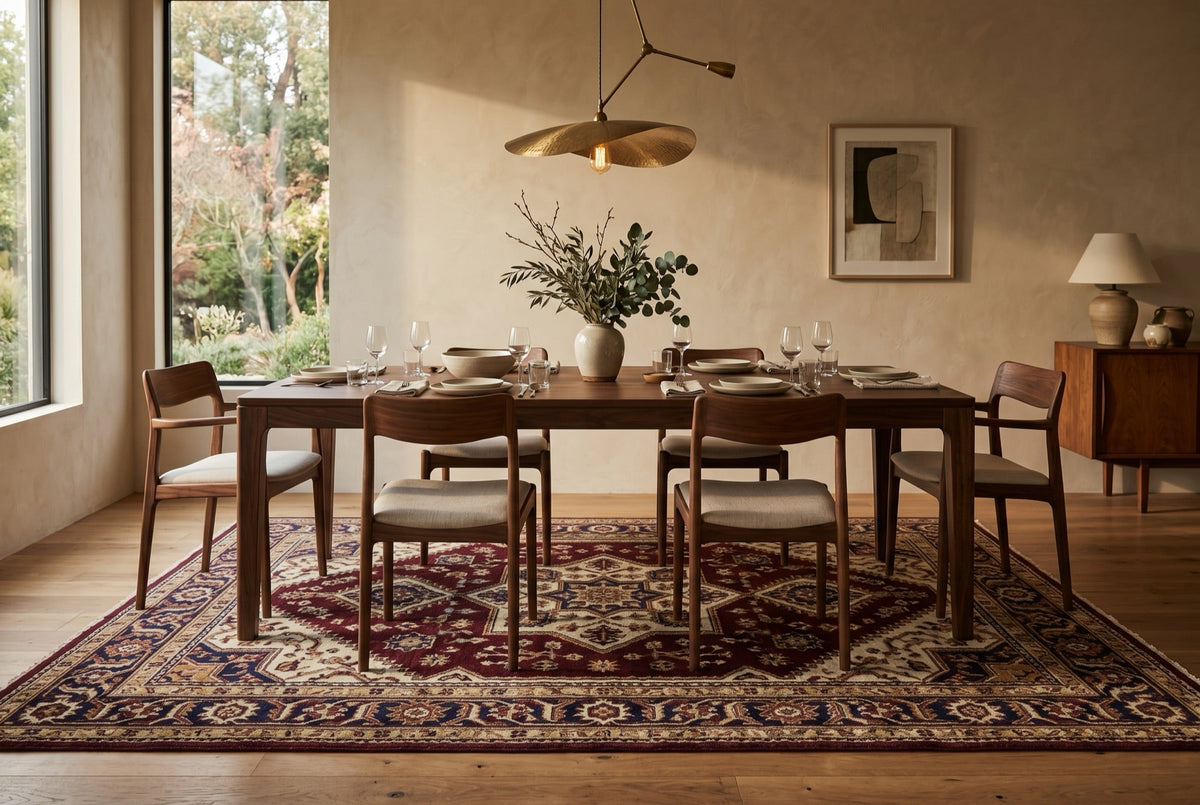
Dining room rugs require precise sizing to accommodate chair movement. Calculate your ideal rug size by adding 48 inches (24 inches on each side) to your table dimensions. This ensures chairs remain on the rug when pulled out for seating.
- For a 6-person rectangular table (36"×72"), select a minimum 8'×10' rug
- For an 8-person table (42"×84"), choose a 9'×12' rug
- Round tables pair best with round or square rugs with similar clearance principles
Bedroom Rug Placement
Bedroom rugs create warmth underfoot and frame the bed as the room's focal point:
- Under-bed placement: Position a large rug (8'×10' or 9'×12') so it extends 18-24 inches beyond the bed on three sides (foot and both sides), with the headboard on the floor.
- Bedside runners: Place matching 3'×8' or 4'×6' runners on each side of the bed for a layered, gallery-quality aesthetic.
- Foot-of-bed accent: A smaller 4'×6' or 5'×8' rug at the foot of the bed adds texture without overwhelming compact spaces.
High-Traffic vs. Low-Traffic Material Selection
Material durability must align with room function:
- High-traffic areas (entryways, hallways, family rooms): Choose tightly woven wool rugs with low pile height (under ½ inch) and darker, patterned designs that camouflage wear.
- Low-traffic areas (bedrooms, formal living rooms): Silk-blend rugs, higher pile textures, and lighter colors perform beautifully in protected spaces.
- Dining rooms: Flatweave Kilims or low-pile hand-knotted rugs prevent chair legs from catching and simplify maintenance.
Furniture Arrangement & Spatial Flow
Professional placement creates visual harmony:
- Maintain consistent spacing: Keep 18-24 inches between rug edges and walls for balanced proportions
- Align with architectural features: Center rugs with fireplaces, windows, or doorways
- Layer for depth: In large rooms, layer a smaller accent rug over a larger neutral foundation
- Consider traffic patterns: Ensure rugs don't obstruct doorways or create tripping hazards
Think About Functionality
Different rooms have different needs. In high-traffic areas like the living room or hallway, you might want to choose a durable and easy-to-clean rug. For your bedroom, a soft, plush rug can add comfort underfoot. In the dining room, consider a rug that is stain-resistant, as spills are likely to happen.
Set the Mood
The style of the rug you choose can set the tone for the room. If your space is bright and airy, consider light-colored or neutral rugs that blend seamlessly with the decor. On the other hand, if you want to add a pop of color or create a bold statement, go for vibrant patterns or rich hues. Think about whether you want the rug to be the focal point or to complement other design elements.
Material Matters
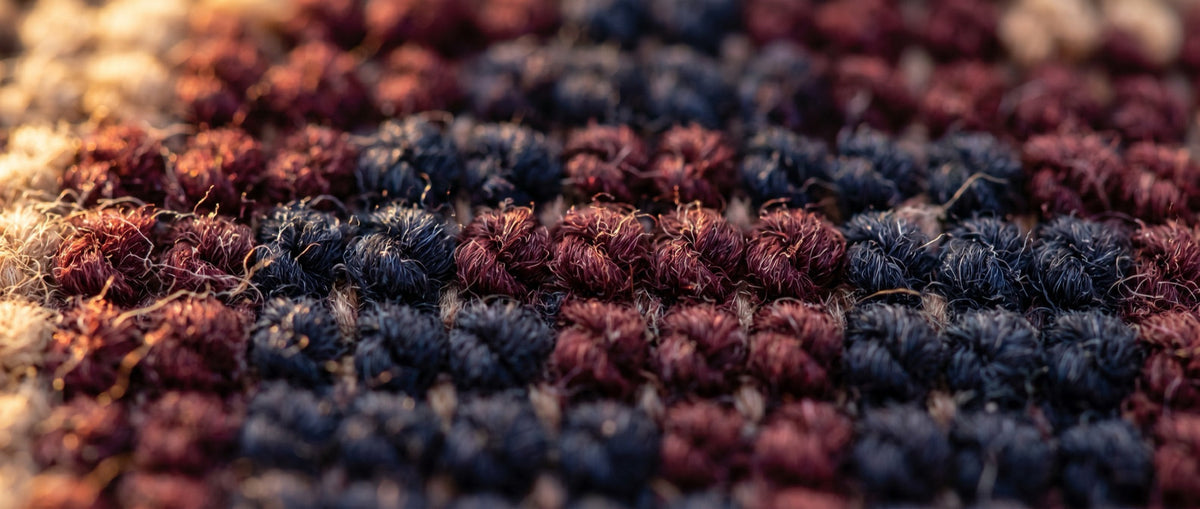
When selecting rugs, consider the material. Natural fibers like wool and jute are great for durability and aesthetic appeal, while synthetic options like nylon and polyester can be an excellent choice for families with kids or pets. Each material offers different textures and styles, so choose one that suits both your comfort level and the functionality of the room.
Personal Touch
Don't forget to add your personality! Whether you love bohemian vibes or prefer minimalist designs, the right rug can reflect your unique style. Take your time, explore various options, and remember, there's no rush to make a decision. Happy rug hunting!