Meta Description
Modern rug design emphasizes architectural clarity, refined materials, and contemporary craftsmanship for timeless, balanced interiors.
Content
A modern rug expresses restraint. It supports architecture rather than competing with it, relying on proportion, negative space, and material quality to define the room.
What Defines a Modern Rug
Modern rugs feature simplified palettes, abstract compositions, and intentional restraint. In luxury interiors, they are often handwoven using traditional techniques.
Materials in Modern Rugs
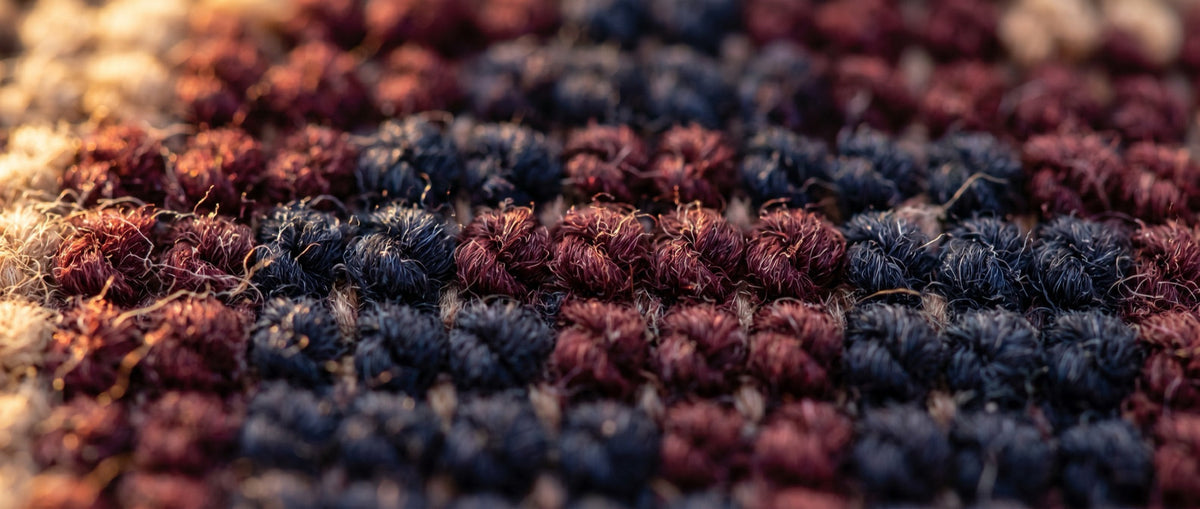
Hand-spun wool and silk blends provide resilience, depth, and subtle luminosity absent in synthetic fibers.
Best Spaces for Modern Rugs
Living rooms, minimalist bedrooms, and open-plan interiors benefit from modern rugs that create cohesion without visual noise.
10 Contemporary Rug Styling Strategies
1. Define Open-Plan Zones
In loft-style or open-concept homes, use modern rugs to delineate functional areas without physical barriers. A 9'×12' rug under the seating group separates the living zone from the dining area while maintaining visual flow.
2. Anchor with Neutral Foundations
Begin with a large-scale neutral rug in ivory, charcoal, or warm gray as your base layer. This creates a calm foundation that allows furniture, art, and accent pieces to command attention.
3. Introduce Geometric Contrast
Pair rectilinear furniture with rugs featuring organic, asymmetric patterns, or balance curved sofas with linear, grid-based rug designs. This tension creates dynamic visual interest.
4. Layer for Textural Depth
Place a smaller, high-pile or textured accent rug over a larger flatweave foundation. This technique adds dimension and allows seasonal updates without replacing your primary piece.
5. Embrace Monochromatic Palettes
Select rugs in tonal variations of a single color family—cream to taupe, or slate to charcoal—to create sophisticated, gallery-like interiors that emphasize form over pattern.
6. Scale Up for Impact
In minimalist spaces, choose oversized rugs (10'×14' or larger) that extend well beyond furniture groupings. This creates a sense of luxury and prevents the rug from appearing as an afterthought.
7. Highlight Architectural Features
Position rugs to emphasize room proportions: center them with fireplaces, align them with window walls, or use runners to accentuate long hallways and gallery spaces.
8. Mix Material Textures
Combine smooth leather or metal furniture with high-texture wool rugs, or pair linen upholstery with silk-blend flatweaves. Material contrast prevents modern spaces from feeling sterile.
9. Rotate Seasonally
Swap lightweight cotton or silk rugs in summer for heavier wool or high-pile textures in winter. This practice extends rug lifespan while refreshing your interior aesthetic.
10. Curate Negative Space
In contemporary design, restraint is essential. Allow generous floor visibility around rugs—18-24 inches minimum—to create breathing room and emphasize the rug as an intentional design element rather than wall-to-wall coverage.
Color Palette Guidance for Modern Interiors
Contemporary rug color selection follows these principles:
- Achromatic schemes: Black, white, gray, and cream create timeless, versatile foundations
- Earth tones: Terracotta, ochre, sage, and charcoal ground spaces in natural warmth
- Accent pops: Introduce single bold colors (indigo, rust, emerald) sparingly for focal points
- Tonal layering: Use 3-4 shades within one color family for sophisticated depth
Frequently Asked Questions
Are modern rugs timeless?
Yes, when designed with restraint and quality materials.
Can modern rugs handle high traffic?
Handwoven wool modern rugs are highly durable.
Do modern rugs work in luxury interiors?
They are foundational to them.
Internal Links
-
Luxury Rug (pillar)
-
Luxury Area Rug collection

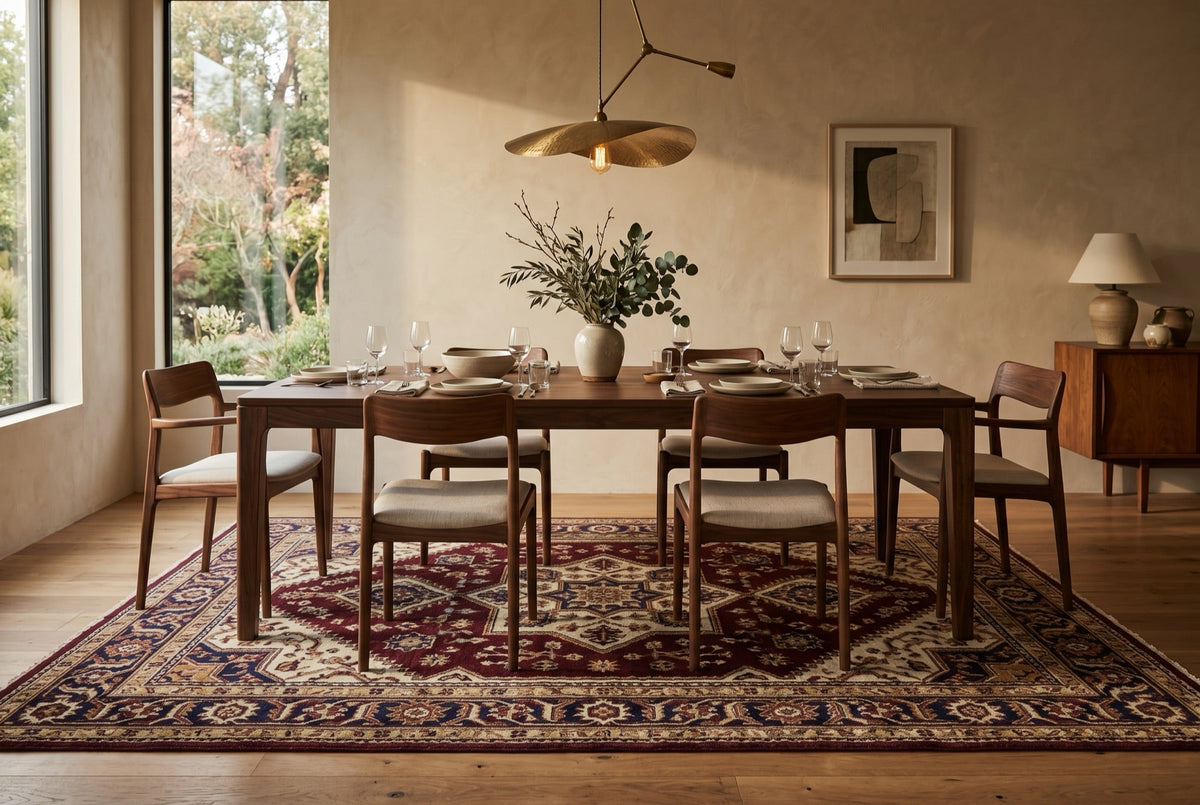
Modern rug in a contemporary luxury interior