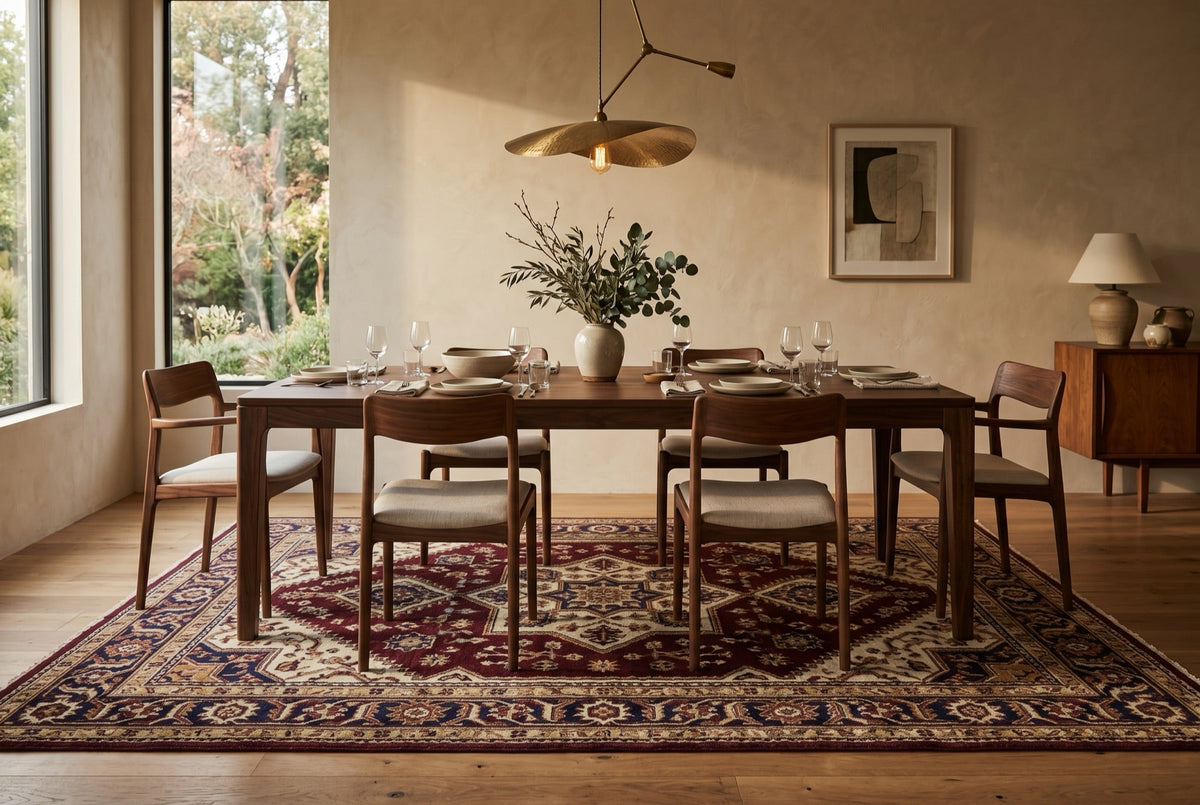
Quick answer: A hand-knotted rug lasts for decades because of four things: construction (even, dense knotting on a sound foundation), materials (resilient wool and natural dyes that age gracefully), condition (intact pile, foundation, fringe and edges) and care (a good pad, regular rotation, gentle vacuuming and professional hand-washing every few years). Tufted and machine-made rugs are not built to the same standard and wear out far sooner.
A well-made hand-knotted rug is one of the few home furnishings that can serve for generations. That durability is not luck: it comes from how the rug is built, what it is made of, and how it is looked after. This guide explains what to look for when you choose a hand-knotted rug, and how to care for it so it lasts. It applies whether you are buying your first heirloom rug or your tenth.
Why a hand-knotted rug outlasts other floor coverings
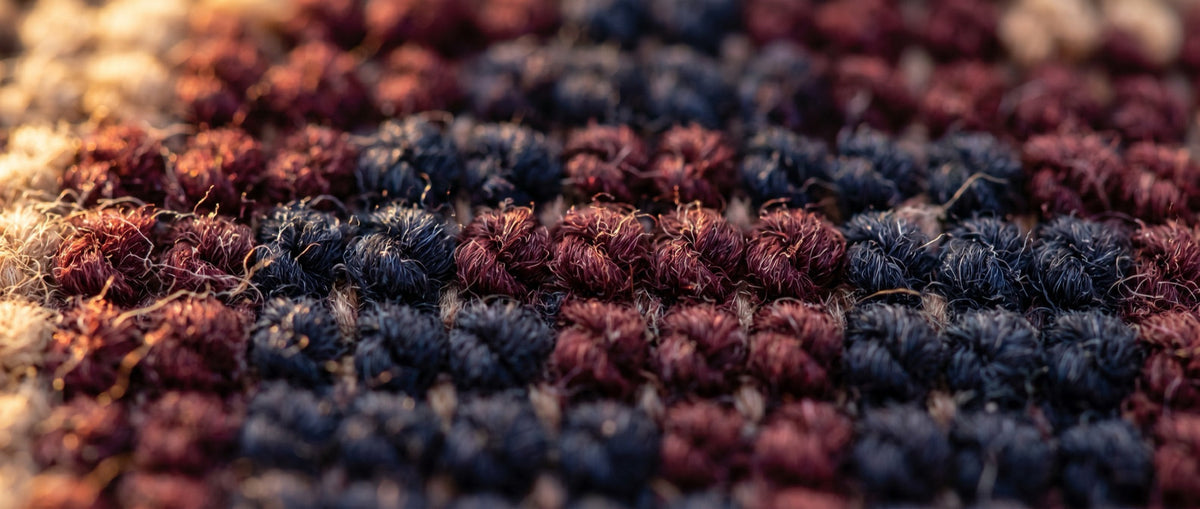
- Every knot is tied by hand. Traditional knotting requires years of training, and a medium-sized piece can occupy one weaver for the better part of a year. Each knot is tied around the warp threads and held in place by the wefts, so the pile stays put through decades of foot traffic.
- Material durability. Hand-spun wool with vegetable dyes ages gracefully over 80+ years. A well-maintained piece looks better at 50 than it did at 5 because the colors mellow into harmony and the pile gains patina. This is the opposite of how synthetic fibers age.
- It can be washed and repaired. A hand-knotted rug can be hand-washed by a specialist, and worn edges, fringe or small holes can be mended by a skilled repairer who matches the wool and the original knotting.
What to look for when you choose
1. Construction: knot density and foundation
Knot density (knots per square inch, or KPSI), wool grade and foundation material set a rug's construction floor. Density should suit the tradition: a finer rug can hold well over a hundred knots per square inch, while village and tribal weaving is coarser by design. Ask us for the count on any rug. What matters most is that the knotting is even and the rug lies flat, without buckling or rippling.
2. Materials: wool and dye
Good wool is resilient and rich in natural lanolin, which gives it luster and helps it resist dirt and water. Hand-spun yarn and natural vegetable dyes age gracefully: the colors soften over time rather than fading harshly. Silk adds sheen and fine detail but is more delicate underfoot, so it suits quieter rooms.
3. Condition
Condition tells you how much life a rug has ahead of it. Six things to check:
- Pile height intact (no thin areas from heavy traffic)
- Foundation intact (no breaks in warp or weft, no holes)
- Fringe intact (sewn-on fringe means the piece was reduced)
- Original colors (no color runs, no faded patches from sun damage)
- Sound repairs (selvage repair is normal; repairs to the field should be skilled and discreet)
- Original dimensions (a rug that has been cut down to fit a room has lost its original edges)
How to care for a hand-knotted rug so it lasts
- Use a good rug pad. A natural rubber or felt pad, sized slightly smaller than the rug, cushions foot traffic, stops slipping and reduces stress on the foundation.
- Rotate it. Turn the rug once or twice a year so wear and light exposure stay even.
- Vacuum gently. Use suction only, without a beater bar, and vacuum in the direction of the pile.
- Blot spills at once. Use a clean, dry white cloth and never rub. Avoid household cleaners, which can damage natural dyes.
- Have it washed professionally. Every 3–5 years, use a specialist in hand-washing handwoven rugs, not a general carpet cleaner using hot-water extraction.
- Keep it out of harsh sun and damp. Direct sunlight fades natural dyes; UV-filtering window film helps. Constant moisture weakens natural fibers, so avoid bathrooms and wet entryways.
- Mend small damage early. Have loose edges, fringe or small holes repaired before they spread.
For a fuller routine, see our care and preservation guide and our rug pad guide.
A quick checklist before you buy
- Is the knotting even, and does the rug lie flat?
- Is the wool resilient, and are the colors clear, with no runs?
- Is the knot density appropriate for the tradition (not artificially inflated or coarsened)?
- Is the condition consistent with the stated age?
- Are the pile, foundation, fringe and edges intact?
Buy the rug you want to live with, and ask us anything about how a piece was made. For background on materials and construction, see our piece on what defines true quality and why a hand-knotted rug takes months to make.
Browse our hand-knotted Mamluk rugs and Oushak rugs.
Choosing a rug to live with for decades? Request a private selection — our Boston curator will reply within 24 hours with three pieces matched to your room.